The Role of Chance in Modern Games
21 July 2026 | 41
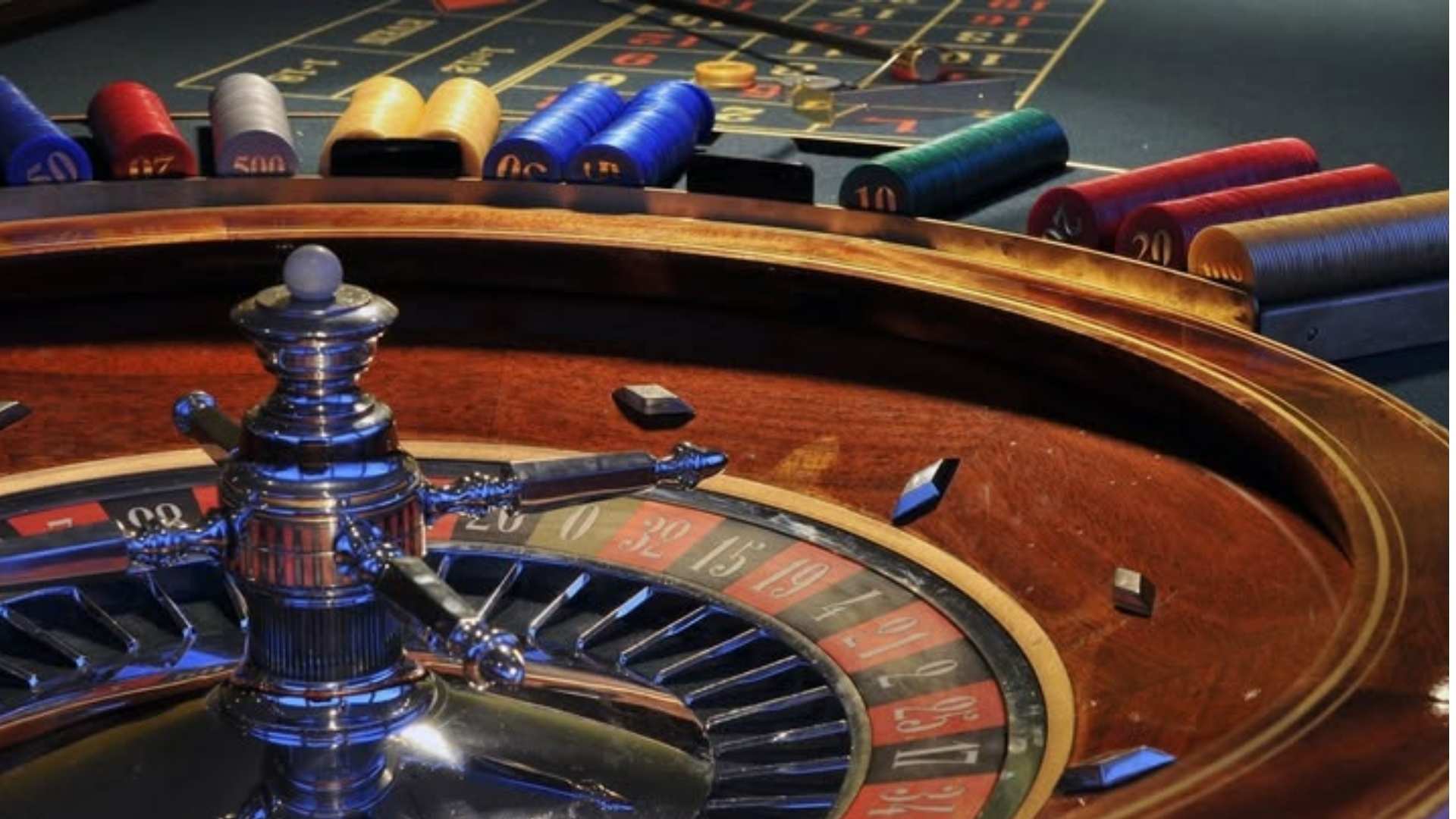
Modern gaming platforms have evolved significantly, blending complex narratives with advanced mechanics to keep players thoroughly engaged. At the core of many contemporary titles lies the element of unpredictability, which shapes how challenges unfold. Understanding how randomness influences player choices reveals the delicate balance between strategy and pure luck.
Balancing Strategy and Randomness
Game developers often use random elements to ensure that no two playthroughs feel exactly the same. By introducing statistical variance, virtual environments force participants to adapt their tactics dynamically rather than relying on memorized patterns. This interaction keeps the experience fresh and highly replayable for both casual and competitive enthusiasts.
However, achieving the perfect equilibrium between player skill and unexpected outcomes requires meticulous algorithmic design. If a system relies too heavily on luck, players may feel their decisions do not truly matter. Conversely, removing all unpredictable factors can make the gameplay formulaic and lessen the emotional impact of victory.
The Impact on Competitive Environments
In the realm of esports and multiplayer arenas, the presence of random events often sparks intense debate among professional competitors. Random critical hits or unpredictable item drops can turn the tide of a match in seconds, creating dramatic spectacles. Analysts argue that managing these spontaneous variables is a true testament to a competitor's adaptability under pressure.
To excel in these environments, top players spend hours calculating mathematical probabilities to minimize the negative impact of bad luck. They treat uncertainty as another metric to optimize, adapting their defensive positions or resource allocations accordingly. This analytical approach elevates the mental complexity of modern digital sports.
Enhancing Immersion Through Uncertainty
Beyond the tactical level, unpredictability mirrors the natural chaos of real-world scenarios, making virtual worlds feel significantly more authentic. When players explore vast open landscapes, encountering spontaneous weather changes or random enemy patrols enhances the general sense of adventure. This structural design transforms passive digital consumption into an active journey of discovery.
Many popular online platforms utilize these mathematical principles to maintain high levels of player excitement. While evaluating different interactive systems, utilizing a trusted portal such as Link M88 Mansion helps enthusiasts observe how random number generation functions in contemporary digital layouts. Grasping these hidden systems provides a clearer appreciation of modern entertainment frameworks.
The Evolutionary Path of Digital Systems
As computing technology continues to advance, the methods used to generate randomized outcomes become increasingly sophisticated. Early titles relied on simple algorithms that produced highly predictable loops over extended periods of time. Today, complex systems pull data from various dynamic sources to ensure the integrity and fairness of virtual events.
These innovative mechanics ensure that modern gaming remains an unpredictable art form capable of surprising its audience. As designers continue to experiment with new ways to implement chance, the boundary between calculated skill and fortune will keep shifting. Ultimately, this ongoing evolution guarantees that interactive entertainment will remain captivating for generations to come.