How Modern Poker Software Supports Multiple Tables
23 August 2026 | 293
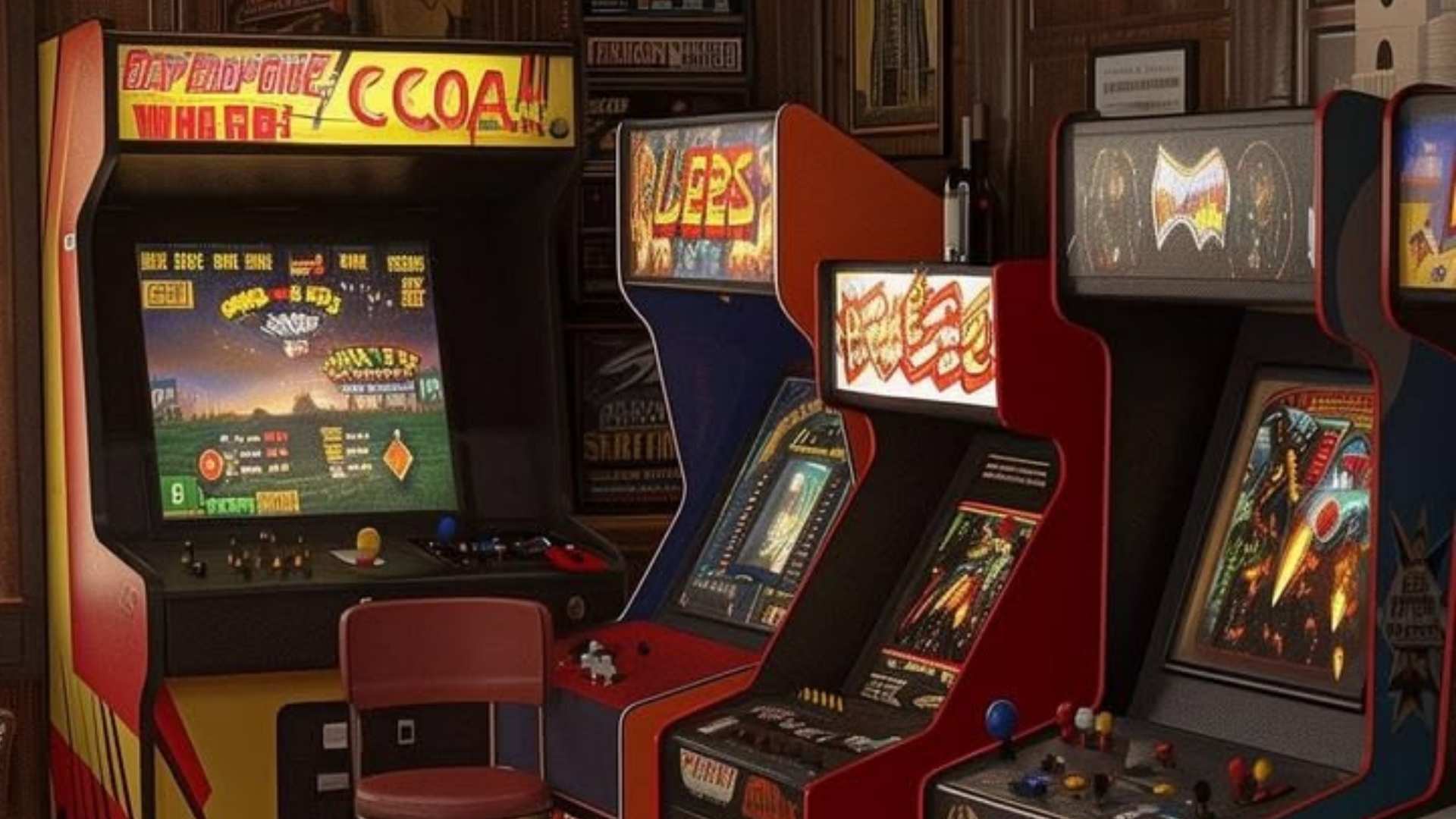
Playing at multiple tables simultaneously has become a standard practice for online card enthusiasts looking to maximize their hourly win rates and volume. Modern gaming architecture has evolved significantly to alleviate the immense cognitive load and technical friction once associated with tracking several active hands at once. Through intelligent engineering and user-focused design, contemporary platforms turn complex multi-tabling into a smooth, seamless experience.
Dynamic Tile and Cascade Layouts
The foundation of effective multi-table management lies in how a platform organizes screen real estate across various display sizes. Automated tiling systems instantly resize and grid multiple windows symmetrically, ensuring that no essential action button or player stack size is obscured. Alternatively, cascade arrangements stack windows diagonally, bringing a specific table forward automatically only when it requires immediate player interaction.
These customizable structural options allow individuals to build a highly efficient multi-table routine without manual resizing headaches. Advanced configurations even permit players to save their favorite multi-table layouts as default profiles that launch with a single click. This structural stability minimizes visual distractions and lets players concentrate entirely on their strategic decisions.
Advanced Action Alerts and Hotkey Support
When handling a high volume of hands, timing is everything, and missing a critical window can result in costly accidental folds. Modern clients solve this issue by implementing prioritized visual alerts, such as glowing borders, which draw the eye directly to the table requiring the most urgent input. Sound cues are also uniquely calibrated so that players can distinguish between a standard check-and-fold scenario or a massive bet facing them.
To accelerate decision-making further, contemporary software natively integrates customizable keyboard hotkeys and mouse shortcuts for standard actions. Serious enthusiasts frequently utilize specialized tools to manage their multi-table sessions efficiently, ensuring smooth navigation across different account features and open windows. For example, utilizing a streamlined platform configuration via an optimized m88.com login helps players seamlessly bridge the gap between main client account settings and active gaming lobbies.
Resource Optimization and System Stability
Running a double-digit number of game streams simultaneously can put an immense strain on older computer hardware and operating systems. To combat this, modern development teams focus heavily on lightweight client architecture that optimizes background data processing and memory usage. Even during high-traffic tournament events, optimized clients prevent sudden frames-per-second drops or connection lag that could disrupt real-time decisions.
Furthermore, background data synchronization ensures that hand histories and player notes are recorded seamlessly without causing system performance hitches. This deep technical optimization allows modern poker software to run smoothly on both portable laptops and massive multi-monitor desktop setups. The resulting stability gives players peace of mind, knowing their platform can handle intense, high-volume sessions without critical system failures.