A Beginner Friendly Introduction To Historic Baccarat Mechanics
16 August 2026 | 284
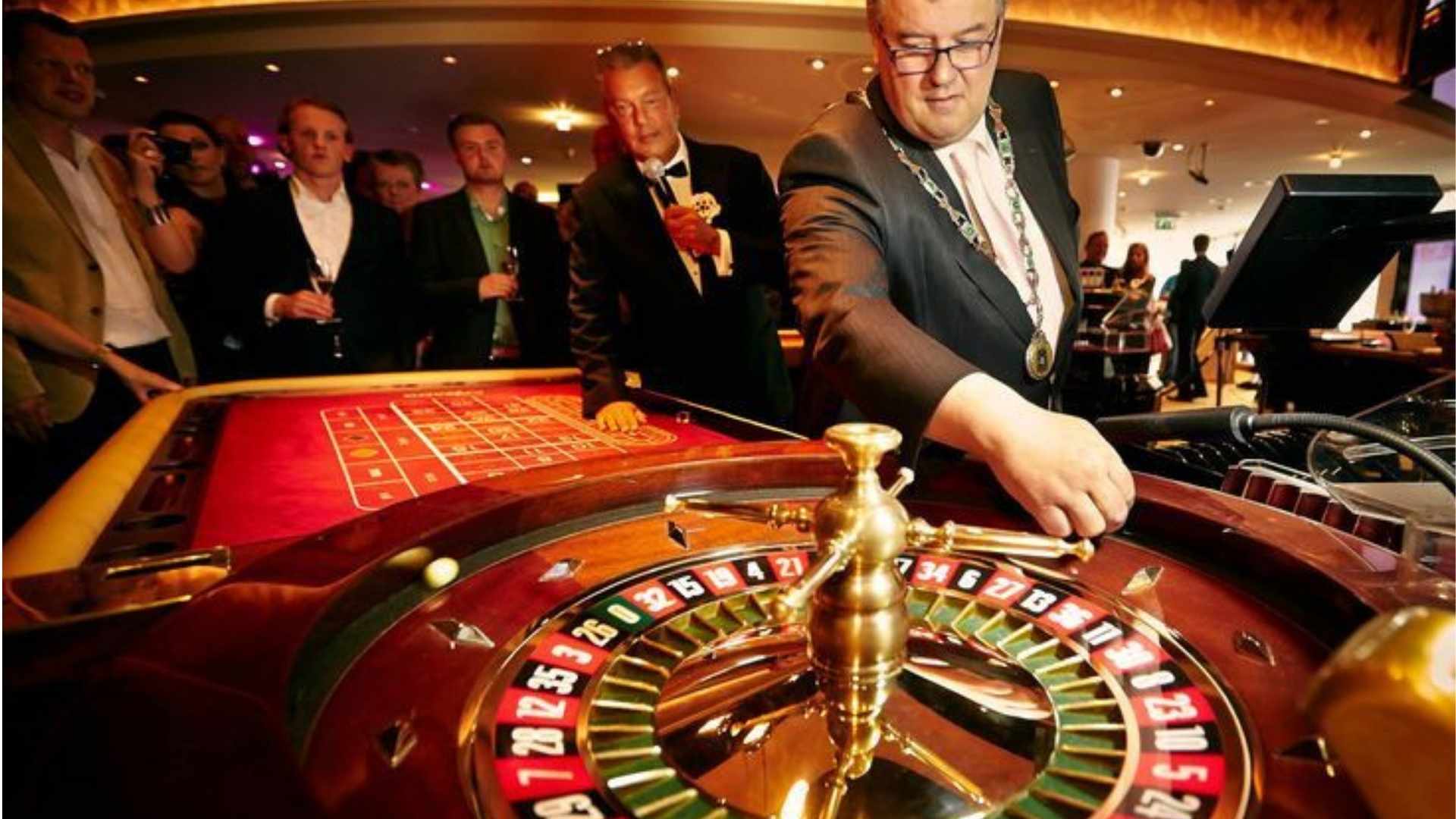
The game of baccarat carries a reputation for elegance and high stakes, yet its foundational rules remain remarkably straightforward. Long before it became a staple of modern gaming floors, early variations relied on a unique set of mechanics driven entirely by human interaction and shared risk. Exploring these historic systems offers newcomers an engaging look into how ancient card tables organized their gameplay and distributed responsibilities among participants.
The Fundamental Concept of Card Totals
At the heart of early baccarat mechanics is a unique mathematical structure where the tens digit of any cumulative score is discarded. Face cards and tens hold a value of zero, while aces represent one point and numbered cards retain their face value. The ultimate objective of each round is to achieve a hand total that finishes as close to nine as possible.
When a combined hand total exceeds nine points, only the last digit is considered for the final comparison. For example, a hand consisting of a seven and an eight totals fifteen, which reduces simply to a value of five. This simple arithmetic framework ensured that early rounds moved swiftly and could be easily understood by everyone seated at the table.
The Evolution of Traditional Banking Privileges
Unlike modern casino variations where the house manages the table automatically, historic setups featured a rotating banking mechanism. The role of the banker was held by a player who agreed to finance the table's active wagers using their personal capital. This dynamic turned the round into a dramatic puzzle where participants directly challenged the financial backing of the designated banker.
This traditional system required players to maintain constant awareness of the active funds remaining in the bank pool. Beginners can learn about historic table structures and access modern digital platforms by securing a reliable 推广代码 m88 online. Discovering these original formats reveals how modern platforms have successfully automated complex historical structures while preserving the core strategic tension.
Decisional Freedom in Early Gameplay
In the earliest iterations of the game, such as Baccarat Banque and Chemin de Fer, participants enjoyed genuine choice when drawing cards. If a starting hand totaled five, the player could decide whether to stand or request a third card based on observation. This element of human choice introduced psychological tactics and individual strategy that are absent from fully automated modern versions.
The banker also operated under flexible rules, deciding whether to hit or stand depending on the visible cards of their opponents. This open format created an intense atmosphere of deduction where experienced players attempted to read their opponents' intentions. Understanding this historical freedom helps beginners appreciate why early card rooms viewed the game as a true social contest rather than a simple game of chance.
The Shared Legacy of Historic Formats
Uncovering the mechanics of old baccarat variants shows that the game was fundamentally built around community engagement. The historical shift from player-operated banking setups to centralized corporate tables has streamlined the experience for modern audiences worldwide. However, the basic mathematical goal of reaching a natural total of eight or nine has remained completely unchanged across centuries.
For anyone beginning their journey into traditional card history, studying these legacy mechanics offers a deeper appreciation for modern casino layouts. Recognizing how older rules distributed power and tactical choices provides a comprehensive perspective on current gaming trends. By mastering these basic historic elements, newcomers can confidently explore both physical and digital tables with a clear understanding of the game's rich lineage.